Automotive Felt

Automotive Felt
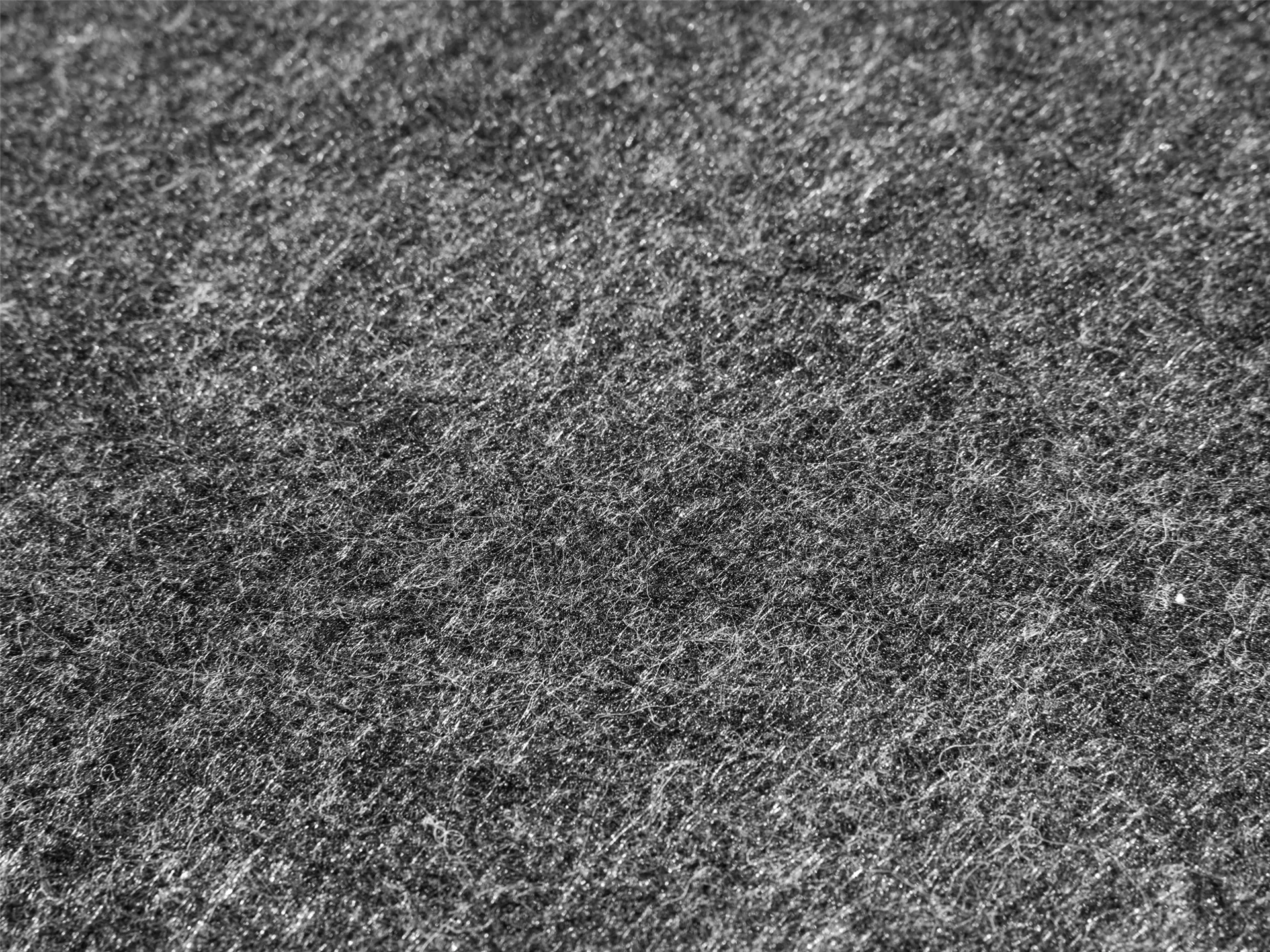
Felt, one of the oldest known textile products, is a highly versatile material. Some of its applications include use in musical instruments to reduce vibrations, in clothing and tents, in the automotive industry, and many other areas. In this article, we will focus on the types of felt used in the automotive sector. Felt is also used in car filters.
Filters are mostly made from polypropylene and polyester felt due to their compatibility with fluids and chemicals. During the production of filter felt, no adhesives, binders, or silicone are used.
The benefits of automotive filters made with felt include:
- They do not produce mold, bacteria, or fungi
- They are organic and natural
- Harmless to human health and the environment
- They are breathable and allow airflow
- Suitable for all climate conditions
- Soft, lightweight, and voluminous
- Compatible with all washing and dry-cleaning methods
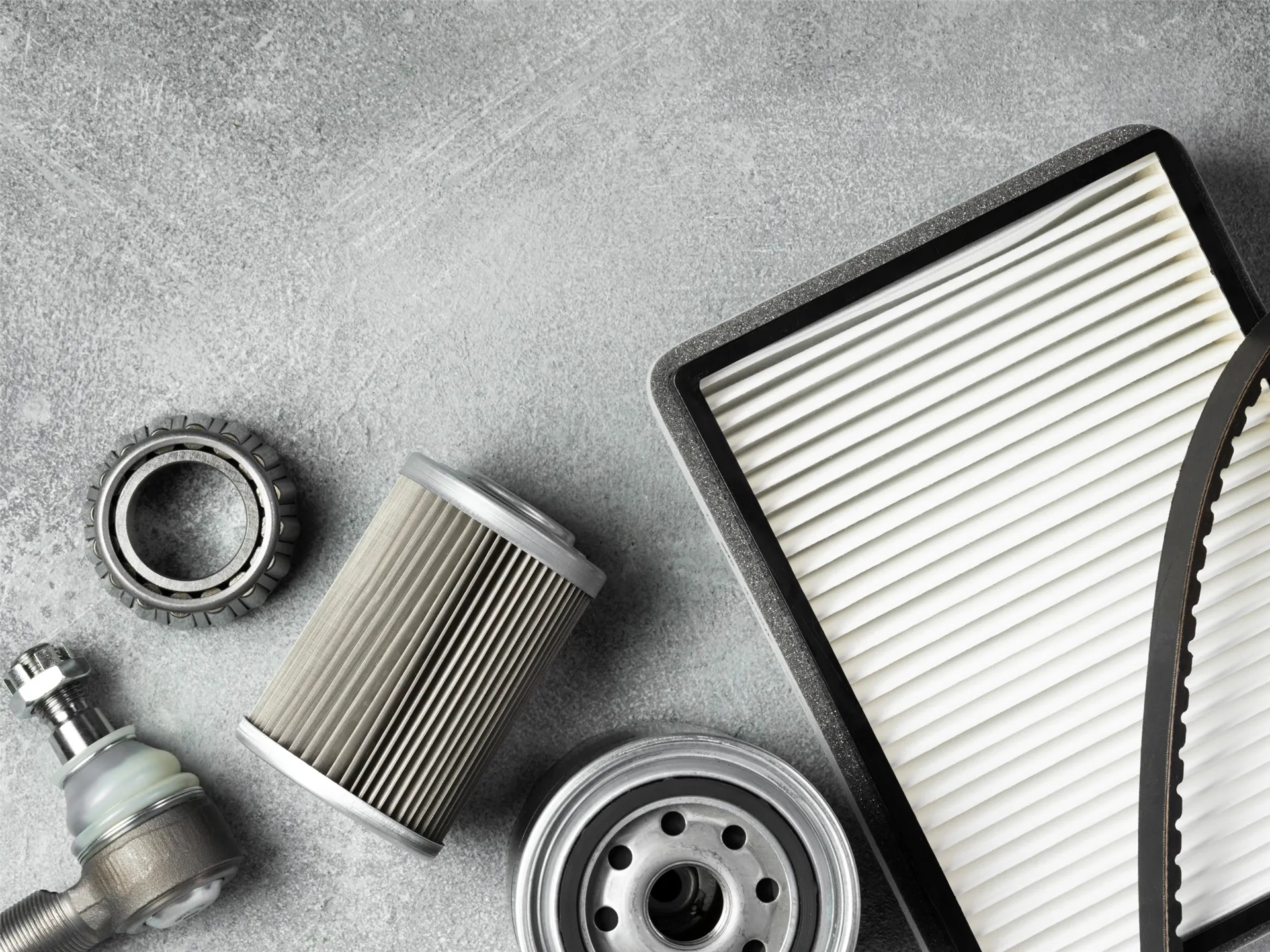
Air filters must operate reliably even under the harshest conditions. In dusty environments, a pre-separator is often used to support airflow. This component, made of foam, metal, or plastic mesh, provides structural support. In highly humid regions, filters are coated with waterproof felt to act as a primary filter.
Filters are also required to reduce air intake noise. For example, in commercial vehicles, air filters made from recyclable materials, designed to be sturdy and optimally weighted, are commonly used. Most filters are cylindrical and equipped with radial seals. However, due to shrinking installation spaces, more recently, flatter designs have become common. During maintenance and replacement, a special felt layer is used to protect the clean side of the filter.
SMF filter papers are designed with pleats to increase surface area and capture more dirt. If these pleats are not balanced, deformation occurs. Pressure differences can press the pleats together, blocking airflow, which reduces filtration efficiency, shortens filter lifespan, and increases fuel consumption and emissions. For this reason, pleats in passenger car air filters are often reinforced with adhesive.
Automotive Felt Usage:
First, cellulose is impregnated with a special resin using a complex process. This helps maintain pleat balance and prevents deformation. Next comes pre-heating, which prepares the paper for shaping, known as embossing. Then the paper is folded according to requirements, followed by curing to provide mechanical strength as well as chemical and thermal resistance.
Filter felts are made from synthetic fibers with thicknesses measured in microns. The finer the fibers, the better the separation. Felts are manufactured in layers, with density and fineness increasing from the dirty side to the clean side. This "funnel effect" allows high dirt-holding capacity while maintaining low airflow resistance. Multi-layer filter materials consist of combinations of paper and felt. Although production is complex, compared to traditional paper filters, they can hold up to 40% more dirt while providing similar filtration efficiency.